From Data
to Actions
In today’s maritime industry, data alone is not the key to reducing emissions, improving operational efficiency, or lowering costs.
Raw signals, performance dashboards, KPIs, and reports are widely available. However, the transformation of these insights into decisions and strategies remains exclusively in the hands of fleet managers.
Fleet managers still carry the primary cognitive burden of translating observations into decisions and, ultimately, actions.
At Metis, we recognize that this gap creates a critical challenge: turning vast amounts of data into timely, consistent, and actionable operational decisions at scale
Our goal is to reduce complexity, accelerate decision-making,
and enable teams to act with confidence.
The added value we are building and will deliver to our customers
is simple yet powerful: turning insight into action faster, minimizing inefficiencies, and driving measurable improvements across all aspects of fleet performance management.
But what does exactly Metis brings to the table?

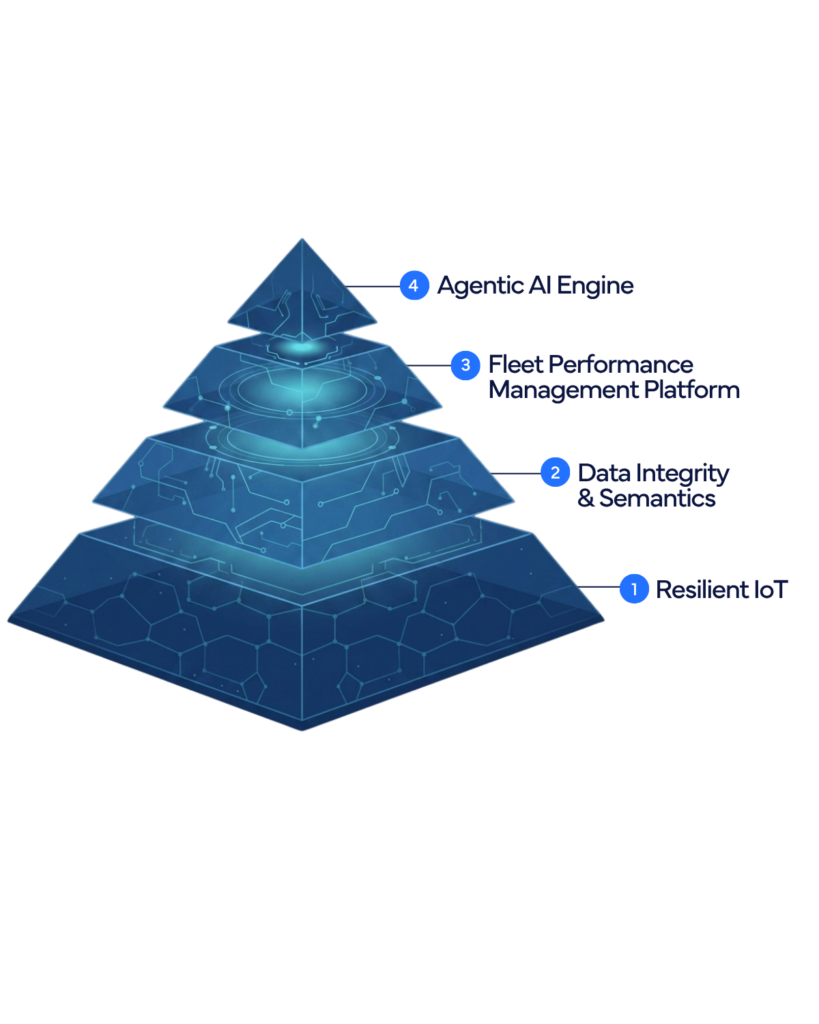
Solid & Trustworthy
Architecture
Metis’s framework is based on a building-block architecture of interdependent pillars. Each one plays a critical role in transforming data into actions.
The first three are already established components of our solution, which we actively provide and continuously refine, drawing on years of operational experience and domain expertise in maritime analytics.
The fourth pillar, the Agentic AI engine, is what introduces something fundamentally new.
An intelligent system capable of understanding, reasoning, correlating, and weighing trade-offs, transforming information into clear, timely, and actionable intelligence that enables smarter decision-making across the fleet.
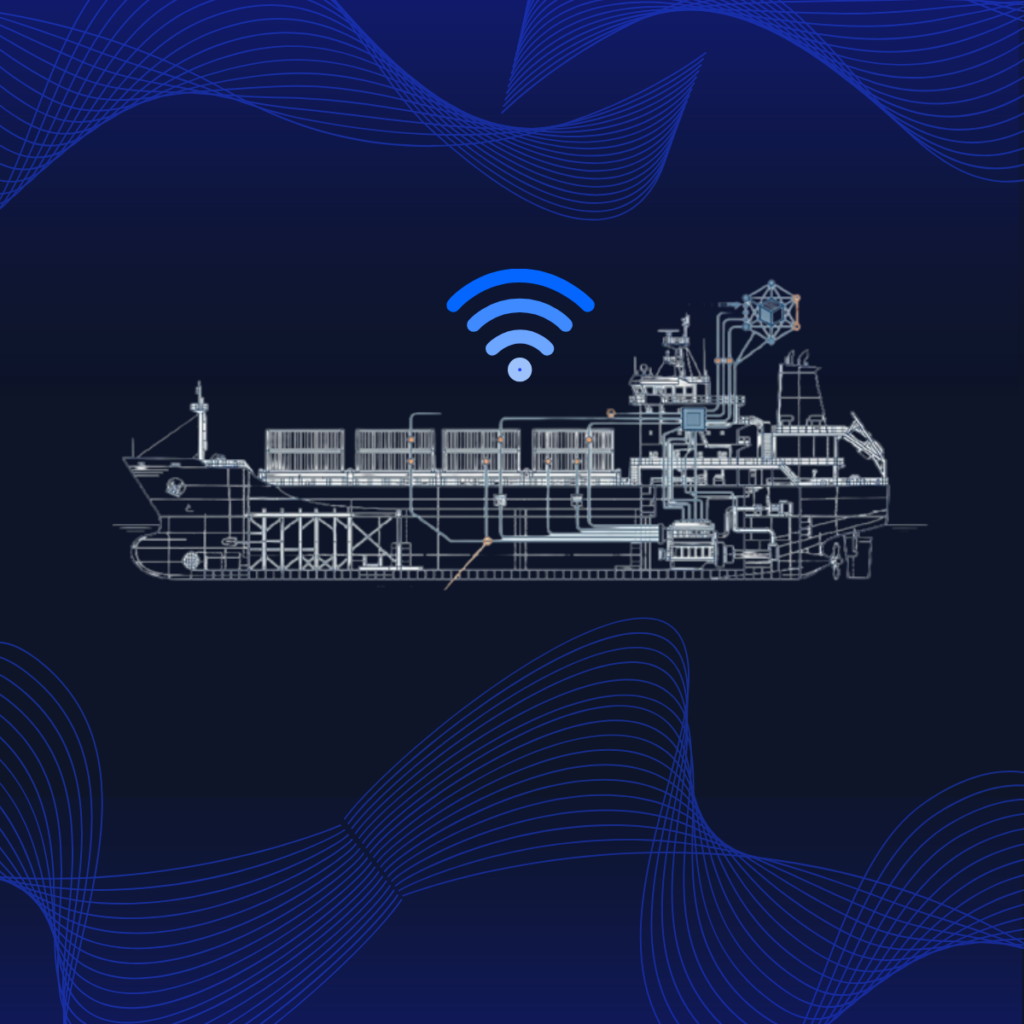
Resilient Telemetry
(IoT)
A strong analytics system starts with reliably collecting data from key onboard equipment and sensors,
from end to end. This depends
on stable, high-availability pipelines that keep data flowing continuously without interruption, forming the basic foundation for everything that follows.
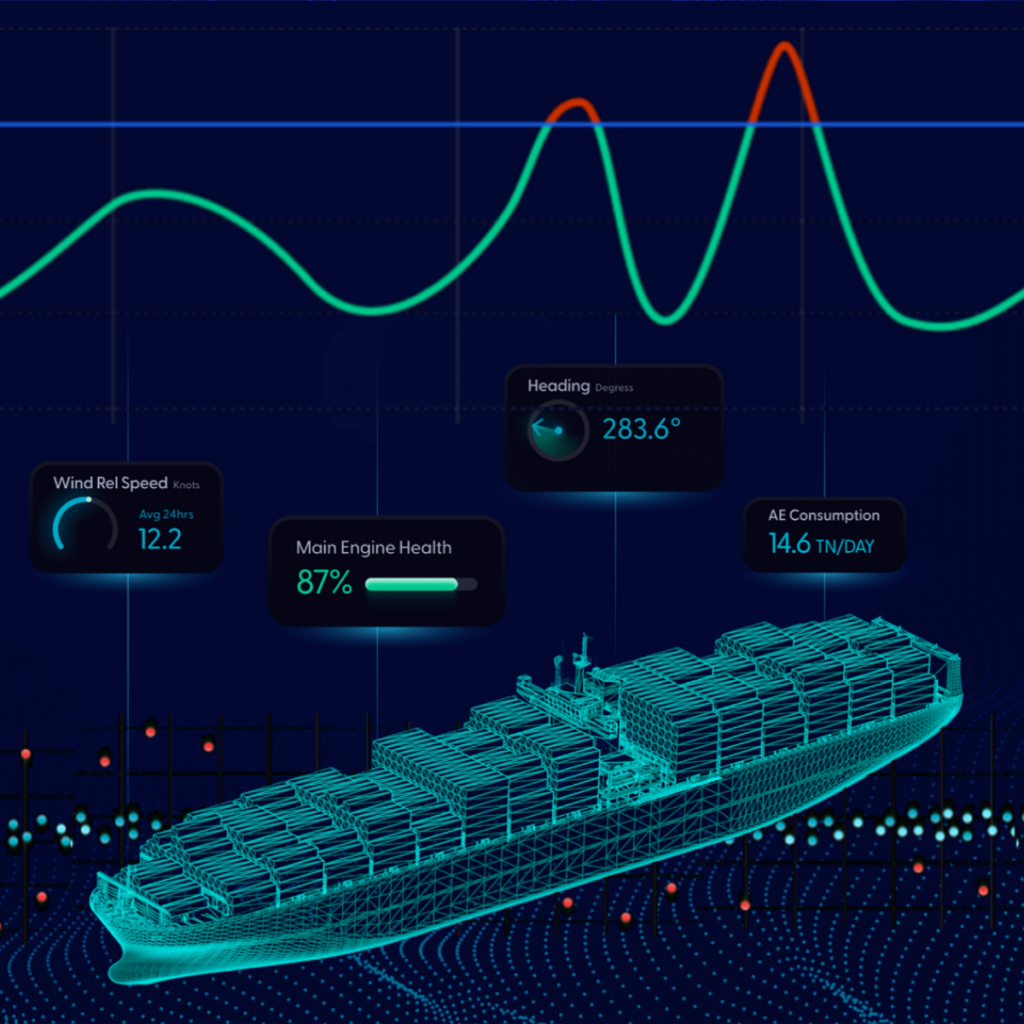
Data Integrity
Framework
A structured process is used
to validate, clean, and score the quality of all incoming data. Poor-quality data leads to misleading analytics, and
in the AI era this problem becomes even more critical. This layer acts
as a quality checkpoint, ensuring that every downstream insight is based
on reliable and trustworthy signals.
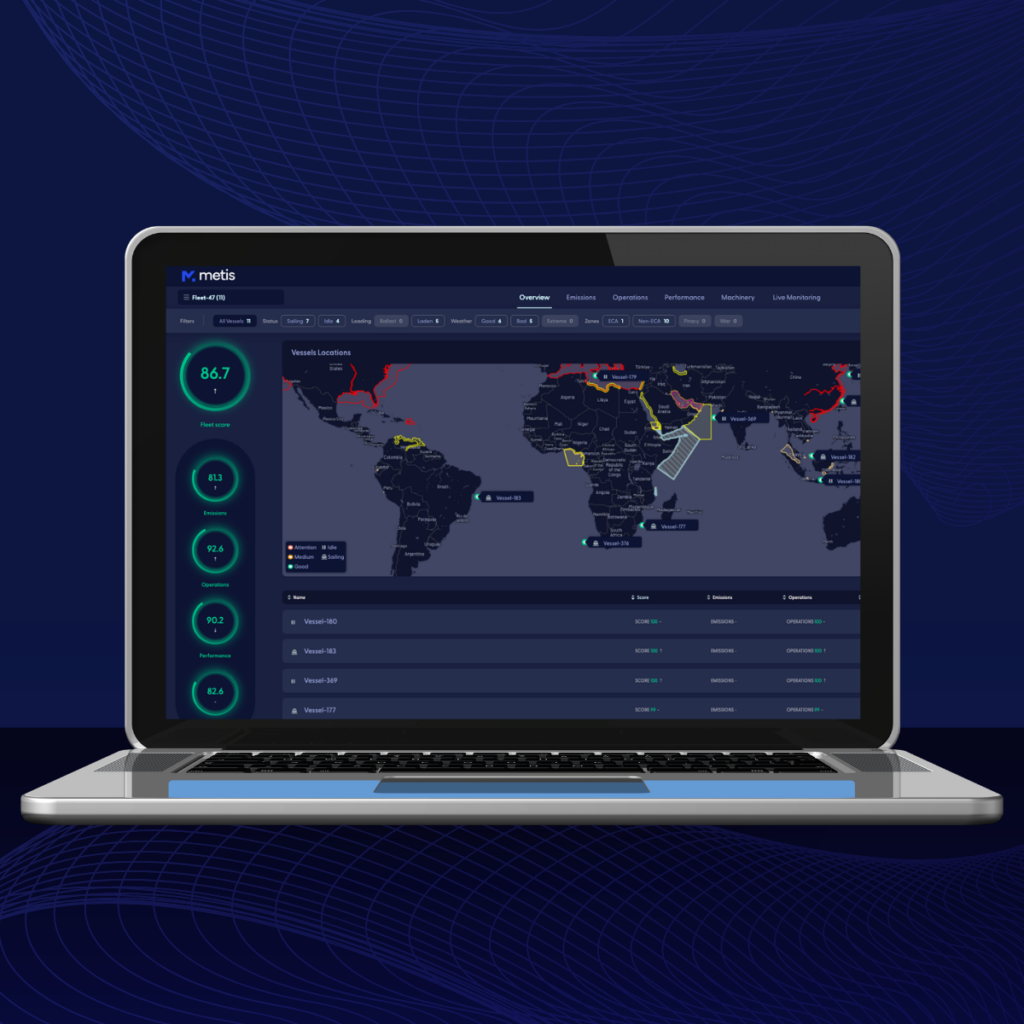
Fleet Performance Management Platform
Maritime-specific performance analytics rely on clean, contextualized data to deliver structured KPIs across four core domains: Emissions, Operations, Performance,
and Machinery. This framework gives operators clear, fleet-wide visibility
and enables faster, more informed decision-making.
Agentic
AI Engine
This Agentic AI layer is where Metis’s accumulated data, domain expertise, and technical infrastructure
come together to create something fundamentally new: an intelligent system that can reason,
interpret context, and provide recommendations – moving
beyond simply reporting information.
The value of AI-powered analytics depends on a single critical factor
Data Integrity
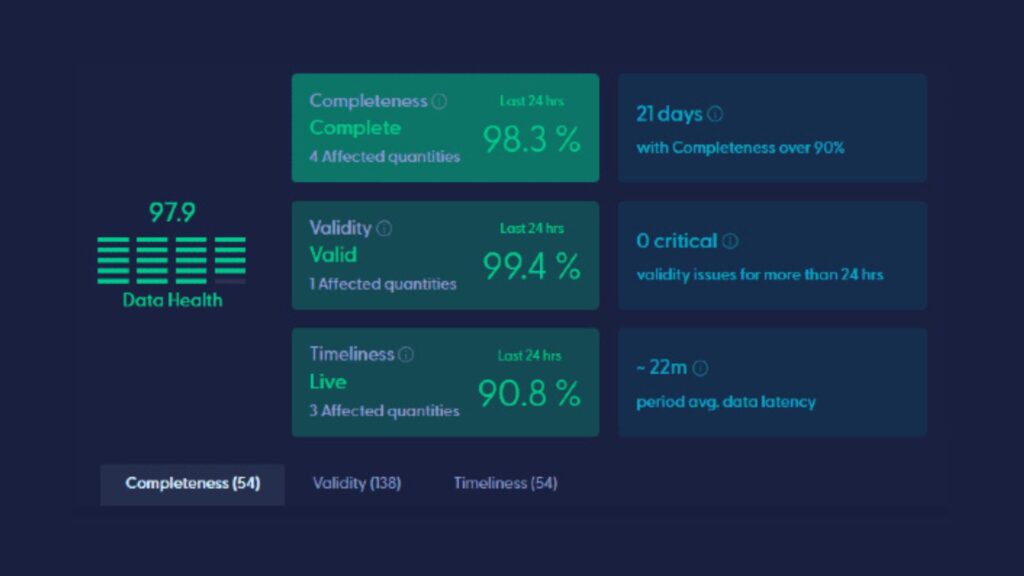
3 dimensions define what we refer to as “data health” and are formalized within our Data Integrity Framework, a structured methodology embedded across our IoT and analytics ecosystem to continuously validate, monitor, and safeguard fleet-wide telemetry.
1. Validity
Validity is ensured through engineering rules, standardization, and intelligent monitoring. Sensor data
is continuously validated against expected thresholds, physical principles, and established standards, while anomaly detection techniques identify unusual patterns
in real time. When issues occur, affected data is isolated and reconstructed using approved estimation methods until the underlying cause is identified and resolved.
2. Completeness
Completeness ensures that all expected data points are delivered at the required frequency. Missing data, communication gaps, or inconsistent sampling can distort KPIs and compromise model outputs. Continuous monitoring of ingestion pipelines, from onboard systems to cloud infrastructure, is essential to maintain confidence in fleet-wide analytics.
3. Timeliness
Timeliness ensures that data is delivered with minimal delay and remains synchronized across systems. Real-time processing architectures are essential when analytics support operational decision-making, such as voyage optimization, emissions control, or machinery diagnostics.
Semantics
Contextual intelligence that empowers AI with real world, business understanding
Modern AI agents do more than generate dashboards,
they reason, recommend, and optimize toward defined goals.
For such systems to operate effectively, raw data and KPIs must coexist with semantic knowledge that explains
what those metrics represent, how they are calculated,
and which factors influence them. A fuel efficiency KPI,
for example, is not merely a numerical value.
It is the outcome of specific measurement methodologies, filtering logic, correction factors, environmental conditions, and operational assumptions.
Without understanding this context, an AI agent
cannot reliably interpret deviations, compare
vessels, or recommend optimizations.
The semantic layer provides contextual intelligence and defines:
1. The meaning of KPIs and metrics
2. The methodologies used to produce them
3. The relationships between variables
4. The operational and environmental factors that influence outcomes
More efficient decision making
AI analyzes complex operational data in real time and delivers clear recommendations, allowing
teams to act immediately instead of spending
hours interpreting dashboards.
Reduced operational workload
Automated analysis and prioritized insights
eliminate the need for manual data investigation
across multiple systems and reports.
Better fleet performance
By identifying inefficiencies, anomalies, and optimization opportunities earlier, operators can improve
vessel performance and energy efficiency.
Improved cost control
Earlier detection of performance deviations, fuel inefficiencies, or machinery issues helps reduce unnecessary operational costs.
How Metis delivers value
to shipowners & ship managers
At Metis, we are entering a new era by combining advanced Artificial Intelligence with one of the industry’s most reliable maritime data infrastructures.
Our platform no longer just monitors vessels
and collects data, it makes strategic decisions
and boosts decision making. Our Agentic AI engine can interpret complex operational signals, understand context, and deliver actionable recommendations that support faster, more confident decision making – not just reporting.
Contact us
Athens
Isminis 59 Str., Kallithea 17675, Athens, Greece
+30 213 007 5000


Type approvals


Contact us
Athens
Isminis 59 Str., Kallithea 17675, Athens, Greece
+30 213 007 5000
Type approvals
